

Last Updated on April 18, 2026 by Luis Cooper
Most fishing watches on the market are regular sports watches with a waterproof rating and a fish logo on the packaging.
What an angler actually needs on the water is something quite different.
Tide data matters.
Not just high and low tide times, but the graphic showing how the tide is moving at any given hour, so you can plan when to be at a specific spot before the bite window opens.
Moon phase matters because fish feed differently during a full moon than during a new moon, and knowing this ahead of time changes how you fish, what lures you use, and where you position yourself.
A barometer matters because falling pressure typically pushes fish deeper and off the feed, while rising pressure gets them active.
None of these features comes standard on a fitness smartwatch.
The watches on this list were chosen specifically because they deliver what fishermen actually need.
Some are purpose-built marine instruments that connect to your boat’s electronics.
Some are rugged outdoor watches with built-in tide and moon data for shore fishing, kayak fishing, and offshore trips.
All of them have been tested and reviewed by anglers in real fishing conditions, not just at a desk.
If you are buying a smartwatch just to count steps and check notifications, this is not your list.
If you want a watch that makes you a more prepared and informed angler, read on.
Which are the Best Smartwatches for Fishing?
Here are my recommended top 7 Best Smartwatches for Fishing:-

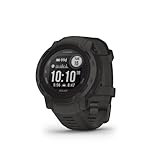


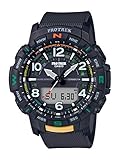

Garmin Quatix 7: (Best Smartwatch for Boat Fishing)

A professional bass angler described the moment at a tournament when three fish came on simultaneously, and nobody had time to run to the chartplotter to mark the spot.
He was wearing a Quatix 7, pressed a button on his wrist while still fighting the fish, and saved the waypoint.
He came back to that exact location the next day and caught fish again from the same spot.
That is what a dedicated marine smartwatch does that a regular GPS cannot.
The Quatix 7 is built specifically for anglers and boaters.
It is not a fitness watch that happens to be waterproof.
Every aspect of the software is designed around life on the water, and that distinction matters the moment you start using it.
The tide chart is one of the most useful features for fishing.
The watch displays a graphic tide curve for your current location showing not just high and low tide times but the whole movement pattern across the day.
You can see at a glance whether the tide is rising or falling at any moment, which directly informs where fish will be located and when feeding windows are likely to open.
For shore anglers, estuary fishermen, and offshore anglers working reef and structure, this information changes how you plan your sessions.
For boat anglers with Garmin electronics on board, the Quatix 7 connects to your chartplotter over the vessel’s NMEA 2000 network.
From your wrist you can view depth, boat speed, and water temperature streaming live from onboard sensors.
You can mark a Man Overboard waypoint or a fishing hotspot directly on the chart without leaving your position at the rod.
If your boat has a Garmin autopilot, you can control it from the watch, adjusting heading with simple button presses while your hands stay on the rod.
The anchor alarm is a practical safety feature that many boat anglers overlook until they need it.
Set your anchor position when you drop, and the watch alerts you if the boat has drifted beyond a set radius.
Drifting off a productive reef or rock in a tide is a common frustration, and knowing about it from your wrist before you notice visually saves time and fuel.
The battery runs to approximately 18 days in smartwatch mode and around 16 hours with GPS active.
One reviewer who wore the Quatix 7 for a full year noted that the brighter AMOLED screen, which significantly improved readability over the Quatix 6 in direct sunlight, does reduce battery life noticeably compared to the older model.
That trade-off is worth it for most anglers.
Reading a tide chart on deck in bright sun requires a display that can compete with daylight, and the Quatix 7 delivers that where the previous generation sometimes did not.
Water resistance is rated to 10 ATM, which covers submersion and rough handling around a boat without concern.
Who Should Not Buy This:
If you do not own a boat with Garmin electronics, you lose the most distinctive features of the Quatix 7.
The tide data and GPS still work independently, but paying the premium for a marine-integrated watch makes less sense without the boat connectivity.
For shore or kayak fishing without a chartplotter, the Garmin Instinct 2 Solar or Casio Pro Trek options later on this list provide the essential fishing data at a lower cost.
Specifications:
| Feature | Details |
|---|---|
| Display | 1.3 inch MIP transflective, sunlight readable |
| Water Resistance | 10 ATM (100m) |
| Battery Life | Up to 18 days smartwatch, 16 hours GPS |
| GPS | Multi-band GNSS |
| Fishing Features | Tide charts, moon phase, sunrise/sunset, barometer, storm alert |
| Marine Features | Chartplotter integration, autopilot control, depth/speed data, anchor alarm |
| Connectivity | Bluetooth, ANT+, Wi-Fi |
| Sensors | Barometric altimeter, compass, heart rate, Elevate V4 |
Garmin 2: (Best Fishing Watch for Kayak and Boat Anglers)
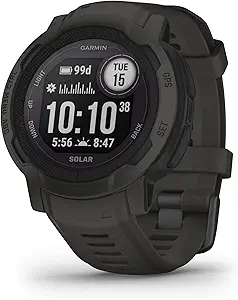
A kayak fisherman in Montana described wearing the Instinct 2 Solar for four months straight without ever putting it on a charger.
He fishes three or four mornings a week before work, spends most of his sessions outdoors, and the solar charging kept pace with his usage so consistently that charging simply stopped being part of his routine.
He said the only reason he eventually plugged it in was to check the battery percentage out of curiosity.
It was at 74 percent.
For anglers who fish early mornings, full days, or multi-day trips where charging is inconvenient, that kind of battery independence changes how you think about the watch.
You stop treating it like a device and start treating it like gear.
What the Fishing Mode Actually Does:
The Instinct 2 Solar has a dedicated fishing activity profile that logs your session time, tracks your location via GPS, and lets you mark waypoints for productive spots directly from your wrist.
When you find a bank where fish are holding, you save the point. When conditions change and you want to return to that exact location another day, the waypoint is there waiting.
The tide chart displays a 24-hour graph for any tide station you select, showing current height and the next high and low times.
You can save favourite stations so your home fishing spot pulls up immediately without searching.
Tide alerts can be set to buzz your wrist before a high or low tide arrives, which is useful when you are focused on fishing and not watching the clock.
Moon phase data and sunrise and sunset times are available as glances scrollable from the watch face.
These are not buried in menus.
A press of the down button cycles through them quickly.
Barometer and Storm Alert on the Water:
The barometric altimeter tracks pressure changes continuously.
When pressure drops rapidly, the watch triggers a storm alert on the wrist.
For anglers who fish exposed water, bays, or open coastlines, an early warning of changing conditions is genuinely useful.
It does not replace checking a proper forecast before you go, but it adds a real-time layer of awareness during the session that a regular watch cannot provide.
Pressure trend data also matters for fishing decisions.
A steady fall over several hours typically puts fish off the feed.
A rising pressure after a low-pressure system passes often triggers feeding activity.
Anglers who understand this pattern and can track it from the wrist make better decisions about when to move, change technique, or stay patient.
Build Quality and Wrist Comfort:
The Instinct 2 Solar weighs 54 grams.
That is light enough to forget it is there during a full day of casting.
The case uses fibre-reinforced polymer construction tested to US military standard 810 for shock resistance, thermal extremes, and water resistance rated to 10 ATM.
It handles the knocks, drops, saltwater spray, and rough treatment that happen on a fishing boat or rocky shoreline without any special care from the wearer.
The monochrome MIP display does not have the visual appeal of an AMOLED screen, but it is readable in direct sunlight without shielding your eyes or raising the brightness.
For a watch used outdoors in full daylight, that practical readability matters more than colour.
One reviewer who switched from an Apple Watch specifically noted the difference in visibility during an afternoon session when the sun was directly overhead.
What It Does Not Do:
The Instinct 2 Solar has no colour maps and no chartplotter connectivity.
If you have a boat with Garmin electronics and want wrist integration with your onboard systems, the Quatix 7 is the right choice.
The Instinct 2 Solar is the watch for anglers who fish without a boat, or boat anglers who want the core fishing data without the marine integration premium.
The touchscreen is absent.
All navigation uses five physical buttons.
Some people find this frustrating coming from touchscreen devices.
Most anglers who use it regularly describe the button layout as intuitive within a few sessions, and the advantage is that wet hands and cold gloves do not create accidental screen activations.
Specifications:
| Feature | Details |
|---|---|
| Battery Life | Up to 28 days smartwatch mode, unlimited with sufficient solar |
| GPS Battery | Up to 30 hours with GPS active |
| Water Resistance | 10 ATM |
| Display | Monochrome MIP, sunlight readable |
| Build Standard | Military MIL-STD-810 |
| Fishing Features | Fishing activity profile, tide chart, tide alerts, moon phase, sunrise/sunset, barometer, storm alert, GPS waypoints |
| Solar Charging | Yes, power glass around display |
| Sensors | Barometric altimeter, 3-axis compass, GPS/GLONASS/Galileo |
| Weight | 54g |
Casio: (Best Budget Triple Sensor Fishing Watch)

A hiker and weekend angler who had owned three different outdoor watches over eight years described why he kept coming back to the Pro Trek.
Every other watch he tried either had a better display or more connectivity or a nicer case.
None of them had all three sensors working reliably, solar power that actually kept the battery topped up, and a build that he trusted in rain, saltwater spray, and cold weather simultaneously.
The Pro Trek did all three without asking anything of him in return.
It does not connect to your phone.
It does not have a colour screen.
What it has is a Triple Sensor Version 3 module delivering compass, barometric pressure with altitude, and temperature readings with genuine accuracy, powered by solar charging, on a 200-metre water-resistant body that handles everything outdoor fishing throws at it.
The Triple Sensor and Why Version 3 Matters:
Casio’s Triple Sensor Version 3 is a meaningfully different thing from earlier iterations.
The compass requires less power to take a reading and responds faster.
The barometric sensor updates pressure readings regularly rather than on demand only.
The thermometer, altimeter, and compass all operate more efficiently together, which is why the solar battery keeps pace with regular use rather than slowly draining.
For fishing, the barometer is the most-used sensor.
Pressure is displayed in hPa and the watch shows a trend graph of the last few hours so you can see whether conditions are stable, rising, or falling without doing any manual tracking.
A sudden drop in pressure is one of the clearest indicators that fish are about to go off the bite, and having that data on your wrist rather than on a phone you have tucked away in a dry bag changes how quickly you can act on it.
The digital compass is accurate to one degree and shows bearing clearly on the display.
For anglers working unfamiliar coastline, river systems, or lake structures in low light, reliable directional reference from your wrist is practical rather than decorative.
Solar Power and 200 Metres of Water Resistance:
Tough Solar charging keeps the watch running from any light source with a seven-month power reserve on a full charge in complete darkness.
For a watch worn outdoors regularly, the battery essentially maintains itself without any intervention.
Multiple long-term owners across fishing forums specifically mentioned that they stopped thinking about charging after the first few weeks, and that shift in mindset from managing a device to just wearing a tool is a meaningful quality of life improvement.
The 200-metre water resistance with a screw-down crown means it handles everything from beach fishing in surf spray to wading rivers to accidental submersion without concern.
The titanium bracelet on the T variant is notably lighter than comparable stainless steel bands while feeling premium in hand.
Forum users who own multiple Pro Trek models consistently describe the 3500T as the one that feels most substantial despite being lighter than it looks.
Multiband 6 Atomic Timekeeping:
Multiband 6 receives radio time signals from transmitters covering Japan, North America, Europe, the United Kingdom, and China, automatically correcting accuracy up to six times per day.
For fishing, precise time matters for tide calculations, dawn and dusk bite windows, and coordinating sessions with other anglers.
The watch always shows the correct time without any manual adjustment.
Specifications:
| Feature | Details |
|---|---|
| Sensors | Triple Sensor V3: compass, barometric altimeter, thermometer |
| Water Resistance | 200m, screw-down crown |
| Power | Tough Solar, 7-month reserve without light |
| Timekeeping | Multiband 6 atomic, 29 time zones |
| Crystal | Mineral glass |
| Case | Resin with titanium components |
| Band | Titanium bracelet |
| Low Temp Resistance | Down to minus 10 degrees Celsius |
| Display | Digital, positive LCD |
Casio: (Best G-Shock for Marine and Coastal Fishing)

A coastguard officer who wore the Gulfmaster as his daily duty watch described it as the most capable ana-digi watch he had ever used.
The analog face gave him instant time readability while the digital subdisplay provided environmental data.
He could check his compass bearing, barometric trend, tide state, and depth simultaneously without switching modes or pressing buttons.
That combination of analog legibility and digital environmental data is exactly what makes the Gulfmaster different from every other G-Shock.
The Quad Sensor and What It Adds Over Triple Sensor Watches:
The Gulfmaster carries a Quad Sensor, adding a depth gauge to the compass, barometer, and thermometer found in Triple Sensor models.
The depth gauge measures underwater depth to 50 metres in 0.1-metre increments and logs up to 40 dive records with date and maximum depth.
For coastal anglers who snorkel reef edges to read structure, or who simply want to know how deep they are when they wade into unfamiliar water, this adds a layer of situational awareness that no other G-Shock outside the Frogman provides.
The barometric pressure alarm triggers automatically when pressure rises or falls rapidly, alerting you to changing weather conditions without requiring you to check a display manually.
The tide graph and moon age indicator are visible at a glance on the subdial. Sunrise and sunset times display for your set location.
Ana-Digi Display and Build:
The analog face reads the time clearly at a glance in all conditions.
The sapphire crystal with anti-reflective coating is the first appearance of sapphire glass in the Gulfmaster line, and it provides the scratch resistance and visual clarity that serious outdoor use demands.
Dual LED lights illuminate both the dial and the digital subdisplay independently, so low-light reading in a pre-dawn session works without compromise.
The case uses carbon fibre reinforced resin with a stainless steel bezel, keeping weight at 113 grams despite the substantial 48mm dimensions.
Tough Solar charging and Multiband 6 atomic timekeeping mean the watch maintains itself once set.
Who Should Not Buy This
If you want a current-production watch with full manufacturer support and warranty confidence, the discontinued status of this model is a real concern.
For buyers who want a similar feature set on a current G-Shock, the Frogman GWF-A1000 series covered earlier on this list is the active replacement in the Master of G marine lineup.
Specifications:
| Feature | Details |
|---|---|
| Case Size | 48mm x 57.3mm |
| Thickness | 17mm |
| Weight | 113g |
| Sensors | Quad Sensor: compass, barometer, altimeter, thermometer, depth gauge |
| Depth Gauge | 50m in 0.1m increments, 40 dive logs |
| Water Resistance | 200m |
| Crystal | Sapphire with anti-reflective coating |
| Power | Tough Solar, Multiband 6 atomic |
| Display | Ana-digi, dual LED illumination |
| Fishing Features | Tide graph, moon age, sunrise/sunset, barometric alarm |
Garmin Fenix 7 Solar: (Best Premium All-Rounder for Serious Anglers)

A fly fisherman who tracked over 35 fishing sessions a year using his Fenix 7 Solar described it as the only watch he owned that genuinely pulled double duty.
It handled his marathon training during the week and his riverside sessions on weekends without any compromise on either end.
The maps worked in remote river valleys where his phone lost signal. The solar charging kept the battery topped during full-day outdoor sessions.
When he arrived at a new stretch of river, he had topographic context right on his wrist.
Full Topo Maps on Your Wrist:
The Fenix 7 Solar carries preloaded topographic maps with full navigation capability.
For anglers exploring unfamiliar water, being able to see terrain contours, river systems, and access routes from the watch face changes how you plan an approach.
You are not guessing whether a trail leads to the water or whether that bank is accessible on foot.
The map answers those questions before you leave the car park.
Tide data is accessible via the Tides app, showing a 24-hour chart for up to ten saved stations.
Moon phase, sunrise and sunset times, and barometric pressure trend are all available as glances scrollable from the watch face.
The storm alert triggers automatically on rapid pressure drops, the same passive safety layer that matters most when conditions shift unexpectedly on open water.
Solar Charging and Real-World Battery Life:
The solar lens charges the battery continuously from any outdoor light exposure.
In practical daily outdoor use, the solar topping extends smartwatch mode battery from the standard 18 days to a figure that most users never actually measure because the charging keeps pace with use.
GPS mode runs to approximately 22 hours with solar contribution in strong sunlight.
For anglers spending full days outside, the solar charging means arriving home with more battery than you left with on most sessions.
Multi-Band GPS and Display:
Multi-band dual-frequency GPS locks satellites faster and holds accuracy more consistently in environments with tree canopy or valley walls that affect signal quality.
Fishermen who work tree-lined rivers or lake margins surrounded by high ground notice this reliability difference compared to single-band GPS watches.
The AMOLED touchscreen on the Sapphire Solar variant reads clearly in direct sunlight.
The standard edition uses a MIP display which is dimmer indoors but equally readable outdoors and saves battery more aggressively.
Both options work fine for fishing use. For a deeper look at how multi-day outdoor watches compare across hiking and fishing contexts, the full comparison at best-smartwatches-for-hiking covers premium outdoor watches in detail.
Who Should Not Buy This
If your budget does not extend to the premium tier, the Garmin Instinct 2 Solar earlier on this list provides the core fishing data set at significantly lower cost.
If you want dedicated marine boat integration, the Quatix 7 is the purpose-built choice.
Specifications:
| Feature | Details |
|---|---|
| Display | MIP transflective or AMOLED (Sapphire variant) |
| Battery Smartwatch | Up to 18 days, up to 22 days solar |
| Battery GPS | Up to 22 hours with solar |
| Water Resistance | 10 ATM |
| GPS | Multi-band dual frequency |
| Maps | Preloaded TopoActive maps |
| Fishing Features | Tide chart, moon phase, sunrise/sunset, barometer, storm alert, fishing activity profile, waypoint saving |
| Build | Fiber-reinforced polymer, stainless or titanium bezel |
| Weight | 79g |
Casio Pro Trek: (Best Dedicated Fishing Watch with Solunar Probability)

Fish In Time: What No Other Watch on This List Does:
The Fish In Time function is the standout feature and nothing else on this list replicates it. T
he watch displays fishing probability throughout the day using fish icons directly on the face.
Four icons indicate peak activity windows, fewer icons indicate moderate periods, and the second hand physically counts down to the next prime fishing window automatically.
The calculation uses solunar theory, which factors in moon position and lunar cycles to predict fish feeding behaviour.
One long-term owner verified his results matched his son’s dedicated solunar fishing app consistently across months of use.
This is not a guarantee of catching fish.
Solunar theory is one input among many, and experienced anglers treat it as a planning tool rather than a certainty.
But having that data on your wrist without checking a phone or a separate app changes how you time sessions, especially for tidal fishing where the bite window can be short.
3,300 Ports, Tide Charts and Fish Memo:
Connecting to the Pro Trek Connected app via Bluetooth unlocks data from approximately 3,300 coastal fishing ports worldwide.
Select your location on the map, and the watch shows a tide graph, moon age, and sunrise and sunset times specific to that spot.
For international fishing trips or anglers who fish different coastlines throughout the year, this coverage is genuinely broad.
The Fish Memo is a catch-logging feature that no other watch on this list offers in the same way.
A single long button press records your current location from your phone’s GPS, the time, date, barometric pressure, tide level, and fishing probability at that exact moment.
Over the course of a season, this builds a data log of when and where you caught fish and the conditions present.
Reviewed by an angler over several months, the memo records remained accurate, and the app retained them reliably through phone changes.
Build and Honest Limitations:
The resin case offers 200-metre water resistance and houses a Quad Sensor comprising a compass, barometric altimeter, thermometer, and step counter.
The 50mm case diameter is large, and anyone with wrists below 6.5 inches should try it on before committing.
The watch uses a replaceable battery lasting approximately two years rather than solar charging, which is the most common criticism from Pro Trek users who prefer the solar options in the rest of the lineup.
One real-world limitation to name clearly: a battery replacement in one reviewed unit caused analog hand misalignment that required a factory sensor reset to fix.
The reviewer found the process frustrating because documentation was scarce.
It is fixable, but knowing about it in advance removes the confusion if it happens.
For anglers who want to understand how solunar theory connects to tidal and lunar patterns for fishing planning, the National Oceanic and Atmospheric Administration provides detailed information on tidal prediction and lunar influence at tidesandcurrents.noaa.gov.
Who Should Not Buy This:
If you want solar charging, the Pro Trek PRW-3500T, covered earlier, provides it.
If you need GPS waypoint saving without a phone connection, the Garmin Instinct 2 Solar handles that better.
If the 50mm case size is too large for daily wear, the Garmin options on this list work in smaller profiles.
Garmin: (Best Garmin Smartwatch for Fishing Under $1000)

After researching for a good time, I came across the Garmin Descent MK2i.
It has a 1.4-inch screen that is easy to read in sunlight and offers amazing battery life.
It’s waterproof and also has an underwater compass.
I bought it for my brother, and he took it fishing.
He was extremely satisfied with this smartwatch, and it’s also your companion for all adventures.
WHAT DO WE GET FROM THESE?
Design:
It has a 1.4-inch screen that is readable in sunlight, with advanced clock-style diving and a resistant design.
Battery Life:
Its battery life is up to 80 hours in diving mode, 16 days in smartwatch mode, and 15 hours in GPS mode with music on.
Health Profile:
This smartwatch has improved features that estimate heart rate from the wrist.
It can detect oxygen saturation in the blood to improve sleep and altitude.
Support:
It has built-in support for sports applications, training features, easy payment, and storage for music for premium streaming.
Also, it has call and message options, calendars, etc.
Modes:
It has six diving modes and various sensors, including an underwater compass and GPS tracking.
Wrap up:
The Garmin descent MK2i smartwatch has a 1.4-inch screen that is easy to read in sunlight and features an advanced clock style.
It has built-in support for sports applications, training features, payment, etc.
This smartwatch can easily detect your health profile, which includes improved heart rate through your wrist.
It has six diving modes as well as sensors.
Moreover, calls and messages can also be sent and received with it.
Frequently Asked Questions
Does a smartwatch actually help you catch more fish?
A smartwatch will not put fish on your hook, but it changes how well prepared you are before and during a session. The most practical gains come from tide data, barometric pressure tracking, and moon phase information. Falling pressure over a few hours typically moves fish deeper and suppresses feeding. Rising pressure after a low-pressure system often triggers feeding activity. Fishing a tide change with structure in front of you at the right moon phase is a different proposition than arriving randomly and hoping for the best. Every watch on this list gives you at least some of these planning tools. What you do with that information still comes down to experience and local knowledge. For more context on how waterproof features and outdoor tools combine in modern smartwatches, the full breakdown at best-waterproof-smartwatches covers the category in detail.
What water resistance rating is safe for fishing use?
For boat fishing, beach fishing, and kayak fishing involving regular water contact, splashes, and occasional submersion, a minimum of 10 ATM (100 metres) is the practical standard. Every watch on this list meets or exceeds that rating. Watches marked only as “water resistant” or rated below 5 ATM are not suitable for active fishing use and should be avoided. ISO 6425 diver’s certification, which some watches carry, is relevant for actual underwater diving but not a requirement for surface fishing.
What features should a fishing watch have?
The most useful features for fishing are tide data showing the 24-hour movement pattern rather than just high and low times, barometric pressure trend tracking with storm alert, moon phase data, and sunrise and sunset times. GPS waypoint saving is valuable for marking productive spots and returning to them accurately. A barometric altimeter and digital compass add navigation capability. Solar charging is particularly useful for multi-day trips where charging access is limited. The watches earlier on this list that integrate with dedicated marine electronics add anchor alarms, chartplotter connectivity, and boat sensor streaming, which are relevant specifically for boat anglers with compatible onboard electronics.
Related Posts:
Google Pixel Watch 4 vs. Samsung Galaxy Watch 8 Classic
Best Smartwatches for Sleep Tracking
Luis Cooper

Hi, I'm Luis, the guy behind this site. I love wearing watches, especially ones that look great on small wrists (mine are about 6.3" around). The Watches Geek is dedicated to helping you learn about and buy watches that you will love wearing. I want this website to be the last destination for people to pick the best watches to fit their needs. You can find our unbiased reviews here on Thewatchesgeek.