

Last Updated on October 8, 2026 by Luis Cooper
The question is simple. The answer takes thirty seconds to find — if you know where to look.
If you use an iPhone, the Apple Watch Series 12 is the correct choice, and no further reading is technically required.
If you use a Samsung phone or any other Android phone, the Samsung Galaxy Watch 9 is the correct choice, and the same applies.
Both watches only work properly with one phone type. The Apple Watch pairs exclusively with an iPhone.
The Galaxy Watch 9 requires Android.
This compatibility rule decides the purchase for most buyers before any feature comparison becomes relevant.
If you already know your phone and just want to know which watch to buy, that is the answer.
The rest of this comparison is for buyers genuinely choosing between the two—perhaps deciding whether to switch phones, buy a gift for someone whose phone they are not sure of, or weigh whether one watch’s specific features justify leaving their current phone ecosystem.
For these buyers, the differences between the Series 12 and the Galaxy Watch 9 in 2026 are more interesting than the simple compatibility answer suggests.
Apple Watch Series 12 vs Samsung Galaxy Watch 9


Quick Verdict
| Feature | Apple Watch Series 12 | Samsung Galaxy Watch 9 |
|---|---|---|
| Compatible with | iPhone only | Android only |
| Launch | September 18, 2026 | August 7, 2026 |
| Sizes | 42mm, 46mm | 40mm, 44mm |
| Display type | OLED rectangular | Super AMOLED round |
| Peak brightness | 2,000 nits | 3,000 nits |
| Crystal glass | Ceramic Shield 2 (aluminum) Sapphire (titanium/ceramic) | Sapphire on all models |
| Battery | 24 hours | 30-40 hours |
| Storage | 64GB | 32GB |
| AI assistant | Siri AI | Gemini AI |
| Unique health | Readiness, Audio Intelligence, Depth gauge | Cardio Load, Antioxidant Index, Fitness Index |
| Software support | watchOS 27 | 5 years confirmed |
Design: Round vs Rectangular
This is the difference that people notice first and think about least before buying, when it should probably be the opposite.
The Samsung Galaxy Watch 9 is round. It looks like a watch.
The circular case, the traditional dial layout, and the bezel are what most people picture when they think of a wristwatch.
On the wrist, the Galaxy Watch 9 reads as much like a well-designed piece of jewellery as a piece of technology, which matters in professional settings, formal occasions, and any context where a device-looking thing on the wrist feels out of place.
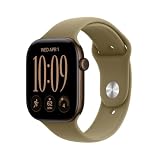
The Apple Watch Series 12 is rectangular. It looks like a small screen on the wrist, which is exactly what it is.
The rectangular shape maximizes the display area, makes notifications and app interfaces easier to read, and gives the watch a distinctly modern, technological character.
In casual and professional contexts where Apple products are common, it reads as considered and current.
In formal settings where a traditional watch face is expected, it reads as a gadget.
Neither is objectively better. They suit different aesthetics and different daily contexts.
A buyer who rotates between formal and casual wear, or who regularly wears the watch to professional meetings, will find the round Galaxy Watch 9 more versatile.
A buyer who uses the watch primarily for notifications, workout tracking, and smartphone integration in casual or athletic contexts will find the rectangular Series 12 more functional.
Display: Galaxy Watch 9 Is Brighter Than Most Reviews Mention

The Samsung Galaxy Watch 9 has a 3,000-nit Super AMOLED display.
The Apple Watch Series 12 has a 2,000-nit OLED display.
This 50 percent brightness advantage on the Galaxy Watch 9 is the specification that most comparison articles mention briefly and then move past.
It deserves more attention because display brightness is the specification that affects daily usability most directly.
In bright outdoor light, a 3,000-nit display remains clearly readable without shading the watch with the other hand or pressing the display directly to maintain visibility.
The Galaxy Watch 9 is the brighter watch in the environments where brightness matters most.
The crystal glass difference is also worth understanding properly.
The Samsung Galaxy Watch 9 uses sapphire crystal on every model—40mm and 44mm —at every price point.
Sapphire is the hardest glass material used in consumer watchmaking, second only to diamond, and it resists everyday scratching from keys, bag hardware, and hard surfaces with a durability that other glass types cannot match.
The Apple Watch Series 12 uses Ceramic Shield 2 on the aluminium models, which is the standard configuration most buyers purchase.
Ceramic Shield 2 is strong and well-tested, but sapphire is available only on the more expensive titanium and ceramic versions of the Series 12.
A buyer comparing a standard aluminium Series 12 to a standard Galaxy Watch 9 is comparing Ceramic Shield 2 on the Apple to sapphire on the Samsung.
Health Features: Two Different Approaches to the Same Goal
Both watches track heart rate, sleep, blood oxygen, ECG, stress, and dozens of other metrics.
The features that distinguish them in 2026 are the new additions that neither had in 2025.
What Is New on the Apple Watch Series 12

The Series 12 introduces the Health Sensing System, which uses new optical and electrical heart sensors to measure heart rate and heart rate variability more frequently than any previous Apple Watch.
Heart rate variability, or HRV, is the small variation in time between consecutive heartbeats.
A higher HRV generally indicates recovery and readiness for physical and mental demands.
A lower HRV indicates stress, fatigue, or early illness.
Previous Apple Watches measured HRV overnight.
The Series 12 measures it every five minutes during the day alongside overnight readings, so the data reflects how the body responds across the entire day rather than providing only a morning baseline.
From this HRV data plus sleep quality and recent activity, the Series 12 generates a Readiness Score from zero to ten each morning.
A score of eight or above suggests the body is prepared for demanding activity. A lower score provides the context for why — insufficient sleep, recent hard training, elevated resting heart rate — and suggests what the day’s activity level should realistically be.
Audio Intelligence is the other major new feature on the Series 12.
It uses the watch’s microphone and the S11 chip to do three things.
Live Rewind saves a transcript of the previous fifteen minutes of conversation so you can review what was said if you missed something.
Siri Recap summarises notifications and content you missed while the watch was in focus mode.
Sound Recognition identifies specific sounds, including smoke alarms and baby cries, and alerts you to them when your attention is elsewhere.
These features process audio entirely on the device.
Apple’s documentation confirms that no audio recordings are created or stored, and the raw audio used for processing is deleted after it is analysed.
What Is New on the Samsung Galaxy Watch 9

The Galaxy Watch 9 runs on the Snapdragon Wear Elite processor, the first Galaxy Watch to use it.
The Snapdragon’s on-device neural processing unit runs at 10 TOPS — ten trillion operations per second — which enables the Watch 9’s AI health features to process locally on the watch rather than sending data to a server.
Daily Cardio Load is the feature that replaces the need for a WHOOP subscription for serious athletes.
It tracks your cumulative cardiovascular training strain across days and weeks, calculates how much recovery time your body needs before the next hard session, and adjusts its recommendations as your fitness level changes over time.
WHOOP charges an annual subscription specifically for this type of recovery coaching.
The Galaxy Watch 9 provides it with no ongoing cost beyond the initial watch purchase.
For a full comparison of how the Galaxy Watch 9’s Cardio Load compares to WHOOP’s subscription model, the full guide at smartwatch-subscription-costs covers every subscription wearable in the current market.
The Antioxidant Index is the health feature on the Galaxy Watch 9 that sounds most confusing and is actually the most straightforward to understand. T
The BioActive sensor on the back of the watch measures carotenoid concentration in the tissue beneath the skin.
Carotenoids are antioxidant compounds found in fruits and vegetables, and their concentration in skin tissue reflects how well your diet provides antioxidant protection relative to the oxidative stress your training creates.
A high Antioxidant Index suggests your nutrition is supporting your training load.
A low index suggests your diet may need more colour — specifically fruits and vegetables in the orange, red, and green ranges.
The Fitness Index provides an overall fitness score out of 100 based on your VO2 max estimate, average daily step count, average heart rate, and workout recovery patterns.
The Heart Health Score draws on sleep duration, cardiovascular load, body composition, and activity levels to provide a single long-term cardiovascular health indicator.
Battery: Galaxy Watch 9 Wins Clearly
The Samsung Galaxy Watch 9 lasts up to 30 hours with the always-on display enabled and up to 40 hours with it switched off.
The Apple Watch Series 12 lasts up to 24 hours in normal use.
This difference is meaningful for two specific groups of buyers.
Sleep trackers who want to wear the watch overnight and also get through a full workday without charging need at least 36 hours of real-world battery to do this without anxiety. The Galaxy Watch 9 covers this gap.
The Series 12 does not without dropping into Low Power Mode during the day.
The Series 12 addresses this with fast charging.
Fifteen minutes of charging provides up to twelve hours of use, and the watch reaches 80 percent in approximately 30 minutes.
buyers comfortable building a 30-minute daily charging window into their routine — during a morning shower, a lunch break or a desk period — the 24-hour battery becomes manageable.
For buyers who want to charge once every two days and forget about it between charges, the Galaxy Watch 9 is the more comfortable option.
AI: Siri vs Gemini
Both watches carry their respective AI assistants in their most current form.
The Apple Watch Series 12 runs Siri AI powered by the S11 chip and Apple Intelligence on the paired iPhone.
Siri on the Series 12 understands personal context from the iPhone — your calendar, your messages, your habits — and can answer questions and complete actions using that context without sending the query externally.
The Audio Intelligence features described in the health section are also AI-powered, giving the Series 12 microphone-based AI capabilities the Galaxy Watch 9 lacks.
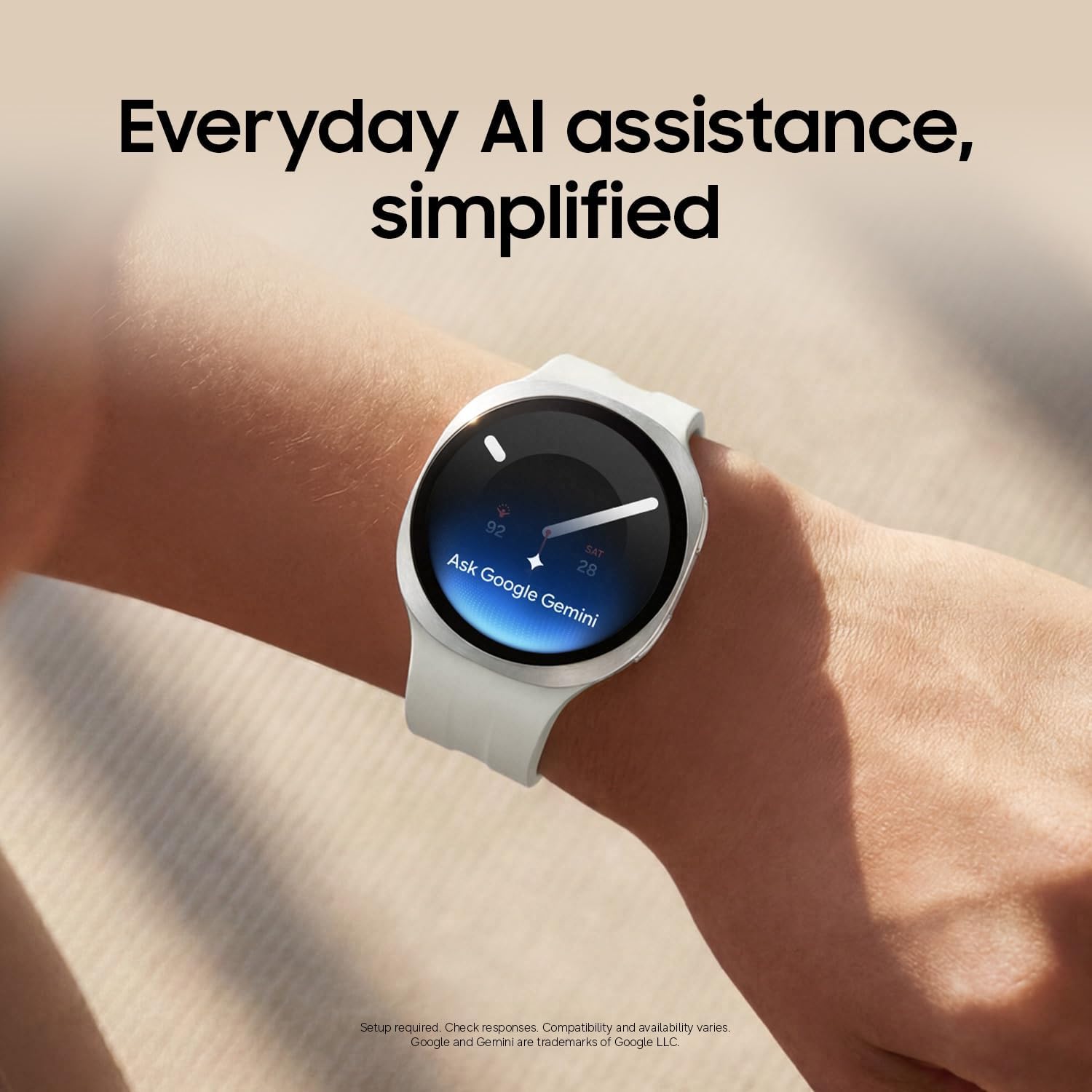
The Samsung Galaxy Watch 9 runs Google Gemini with a new Raise to Talk gesture.
Raising the wrist and speaking activates Gemini without pressing any button or saying a wake phrase.
Gemini on the Watch 9 can run a 2-billion-parameter AI model on the device itself using the Snapdragon NPU, so basic queries get immediate responses without network connectivity.
Gemini’s general knowledge and conversational ability are generally considered stronger than Siri’s for open-ended questions, while Siri’s integration with personal iPhone data is generally stronger for personal task management.

Storage: 64GB vs 32GB
The Apple Watch Series 12 has 64GB of internal storage.
The Samsung Galaxy Watch 9 has 32GB.
For most daily use, this difference is irrelevant. For music storage, it is significant.
64GB holds approximately twice as many songs as 32GB, which matters specifically for athletes who store large music libraries directly on the watch for phone-free workout listening.
Buyers who stream music through Bluetooth earbuds from Spotify or Apple Music rather than storing it on the watch will not notice the difference in practice.
For a closer look at how the Galaxy Watch 9 compares against other smartwatches for subscription-free health features, the full Samsung Galaxy Watch 9 review at samsung-galaxy-watch-9-review covers every feature in complete detail.
Who Should Buy Which
Buy the Apple Watch Series 12 if:
You use an iPhone and want the deepest possible integration between your watch and your phone.
You specifically want Audio Intelligence features including Live Rewind and Siri Recap.
You train in or near water and want the depth gauge for dive tracking to 6 metres and the water temperature sensor.
You want 64GB of music storage. You prefer a rectangular display that maximises screen real estate for apps and notifications.
Buy the Samsung Galaxy Watch 9 if:
You use an Android phone, particularly a Samsung.
You want a round, traditional watch design that works equally well in formal and casual settings.
You want the brighter 3,000-nit display and sapphire crystal on every model, regardless of which variant you choose. You want 30 to 40 hours of battery without daily charging.
You want Daily Cardio Load recovery tracking without a WHOOP subscription. You want Gemini AI on the wrist.
FAQs
Can the Apple Watch Series 12 work with an Android phone?
No. The Apple Watch Series 12 requires an iPhone 11 or later running iOS 27. It does not pair with Android phones and cannot be made to do so through any setting or workaround. The full health monitoring, notifications, app ecosystem, and Siri AI all depend on the iPhone connection. Buying an Apple Watch with an Android phone results in a watch that cannot complete the initial setup. For Android users, the Samsung Galaxy Watch 9 is the correct comparable at this level.
Is the Samsung Galaxy Watch 9 compatible with iPhone?
No. The Galaxy Watch 9 requires Android 13 or above. It does not work with iPhone. While the physical watch can be worn by anyone, it cannot pair with an iPhone for notifications, health data sync, or app functions. The Apple Watch Series 12 is the correct choice for iPhone users at this price level.
Which has better health features — Series 12 or Galaxy Watch 9?
Both are excellent health tracking platforms with meaningfully different strengths. The Apple Watch Series 12 leads in cardiac sensing accuracy with the new Health Sensing System, provides HRV readings every five minutes throughout the day rather than overnight only, and introduces the Audio Intelligence microphone features for hearing safety and conversation recall. The Samsung Galaxy Watch 9 leads in training-specific analytics with Daily Cardio Load, provides the Antioxidant Index for dietary monitoring relative to training load, and delivers the Fitness Index and Heart Health Score as ongoing long-term wellness indicators. The better health features for any individual buyer are the ones that match their specific health priorities — cardiac accuracy and recovery scores versus training analytics and nutritional monitoring.
Luis Cooper

Hi, I'm Luis, the guy behind this site. I love wearing watches, especially ones that look great on small wrists (mine are about 6.3" around). The Watches Geek is dedicated to helping you learn about and buy watches that you will love wearing. I want this website to be the last destination for people to pick the best watches to fit their needs. You can find our unbiased reviews here on Thewatchesgeek.